2026-05-18
Sneezing After Nose Surgery: Is It Safe? Proper Methods and Precautions
Many patients worry that sneezing after rhinoplasty could affect the shape of their nose or the implant. Light sneezing usually poses no problem, but caution is necessary within 1–2 weeks after surgery when internal tissues are settling. This guide covers proper sneezing techniques like opening your mouth, avoiding blocking your nose, and tilting your head slightly, plus environmental management and when to return to the clinic.
Hello~
💌 Your beauty universe! Uberps Plastic Surgery here :) 💌
One of the biggest concerns many patients have after rhinoplasty is
whether sneezing affects their nose.
To put it simply,
light sneezing alone usually doesn't cause major problems, but caution is still needed.
Today, based on actual clinical standards, we'll explain
what to watch out for after nose surgery and the proper way to sneeze.
✔️ Why Sneezing After Rhinoplasty Is a Concern
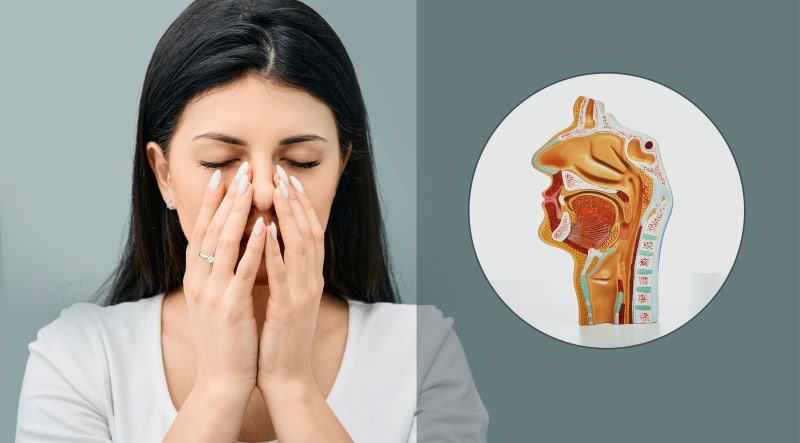
After rhinoplasty, internal tissues are in the process of settling, making them sensitive to external pressure and impact.
When you sneeze, the following can happen momentarily:
▪️Increased internal nasal pressure
▪️Nasal cavity vibration
▪️External impact (including blocking your nose with your hands)
This is why patients worry about nose shape deformity or implant displacement.
✔️ Does Sneezing Affect Nose Shape?
In most cases, one or two ordinary sneezes
almost never cause nose shape deformation.
However, caution is needed in these cases:
▪️Within 1–2 weeks immediately after surgery
▪️Repeated forceful sneezing
▪️Sneezing while blocking or pressing your nose with your hands
▪️Blowing your nose hard or applying pressure
During this period, tissues are not fully settled, so
it's best to avoid unnecessary pressure.
✔️ How to Sneeze Safely After Rhinoplasty
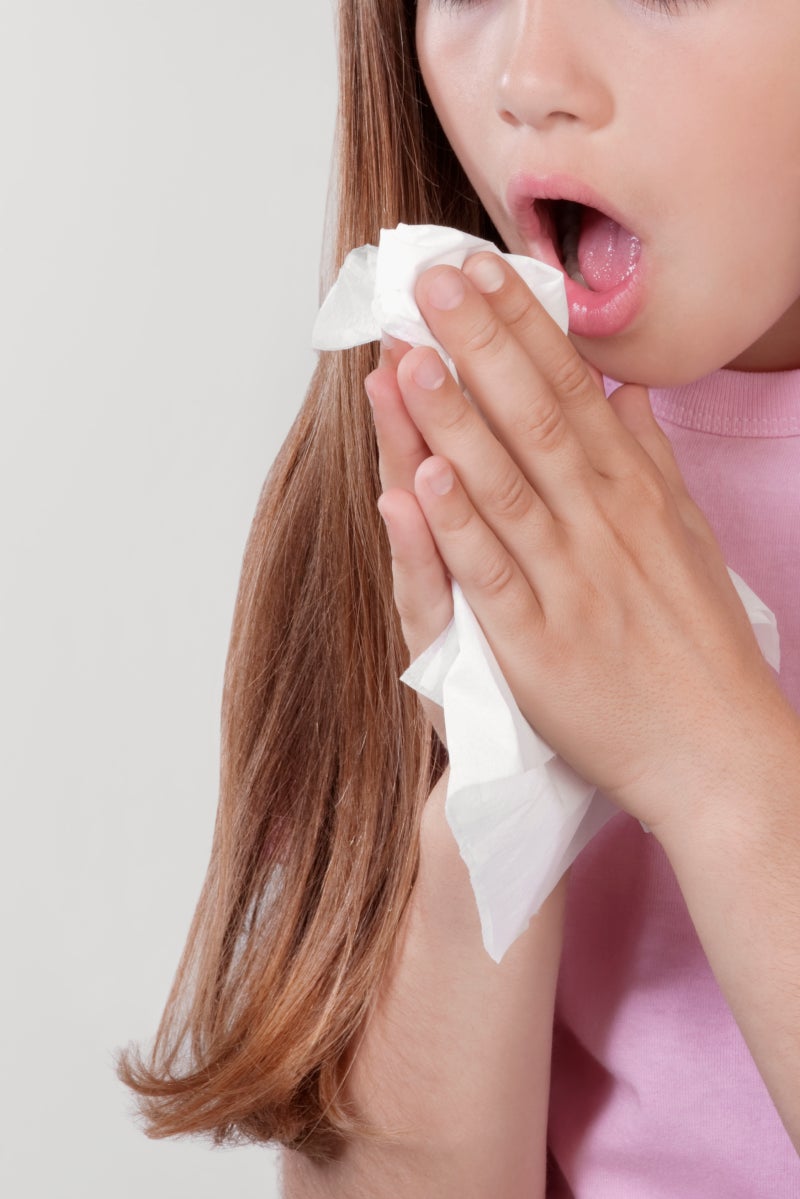
Suppressing sneezes entirely is actually not good.
Instead, follow these methods!
1. Sneeze with Your Mouth Open
→ This disperses pressure away from your nose.
2. Don't Block Your Nose
→ Pressing with your hands transfers pressure directly.
3. Tilt Your Head Slightly Forward
→ This reduces impact to your nose tip.
4. Allow Gentle Sneezing
→ Avoid continuous, forceful sneezing.
✔️ Managing Sneeze Triggers
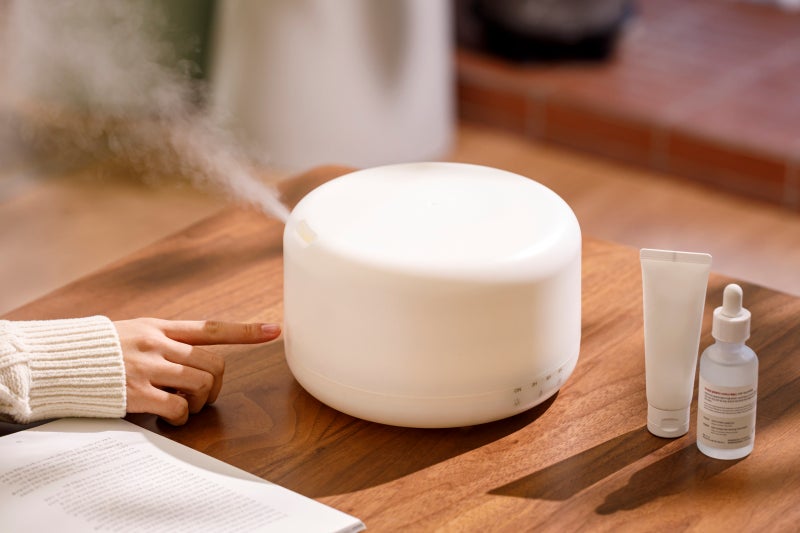
After nose surgery, your nose becomes sensitive and even minor irritants can trigger sneezing.
Environmental management helps with recovery.
▪️Dry indoor air → Use a humidifier
▪️Avoid dust, pollen, and allergens
▪️Crust management → Saline rinse as needed
✔️ When to Return to the Clinic
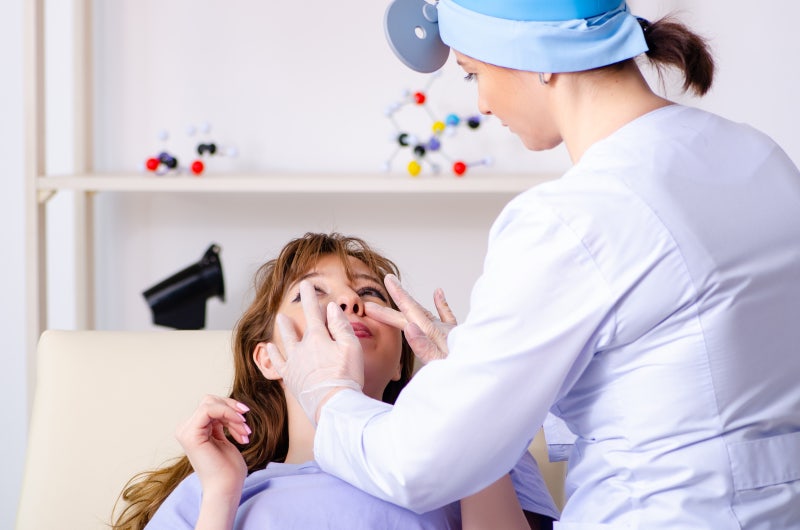
If you have any of the following symptoms after sneezing, it may not be a simple recovery process, so
you must get checked immediately.
❗Increasing pain
❗Sensation of nose shape change
❗Continuous bleeding
❗Feeling of implant movement
In these cases, don't delay—
visit the hospital where you had your surgery.

While you don't need to worry excessively about sneezing after rhinoplasty,
early care within 2 weeks after surgery is especially important.
Small habits can greatly affect recovery outcomes, so
managing properly helps ensure safe recovery.
Our clinic provides personalized care and guidance tailored to each recovery stage after surgery, so
if you have any questions, feel free to contact us through the link below :)


Frequently Asked Questions
Is It Okay to Sneeze After Nose Surgery?
Yes, one or two light sneezes almost never cause nose shape deformation. However, within 1–2 weeks immediately after surgery, tissues are settling, so it's best to avoid repeated forceful sneezing or blocking your nose.
How to Sneeze Safely After Nose Surgery?
Sneezing with your mouth open is the safest method, as it disperses pressure away from your nose. Also, avoid blocking your nose with your hands, tilt your head slightly forward, avoid continuous forceful sneezing, and allow gentle sneezing.
Is It Okay to Hold Back a Sneeze?
No, suppressing sneezes is actually not good. Instead, following proper pressure-dispersing methods—such as sneezing with your mouth open, not blocking your nose, and tilting your head slightly—helps with recovery.
What Symptoms After Sneezing Require a Hospital Visit?
If you experience increasing pain, sensation of nose shape change, continuous bleeding, or feel your implant moving, you should visit the hospital immediately. Since it may not be a simple recovery process, it's safest to get checked at the hospital where you had your surgery without delay.
How to Manage Your Environment to Reduce Sneezing After Nose Surgery?
Using a humidifier is recommended in dry indoor environments. Also, avoiding dust, pollen, and allergens, and rinsing nasal crusts with saline solution as needed to reduce irritation, helps with recovery.
When Is Caution About Sneezing Most Important After Nose Surgery?
The first 1–2 weeks after surgery are the most critical period. During this time, internal tissues are not fully settled and are sensitive to external pressure and impact, so avoid unnecessary pressure from forceful sneezing or pressing your nose.